
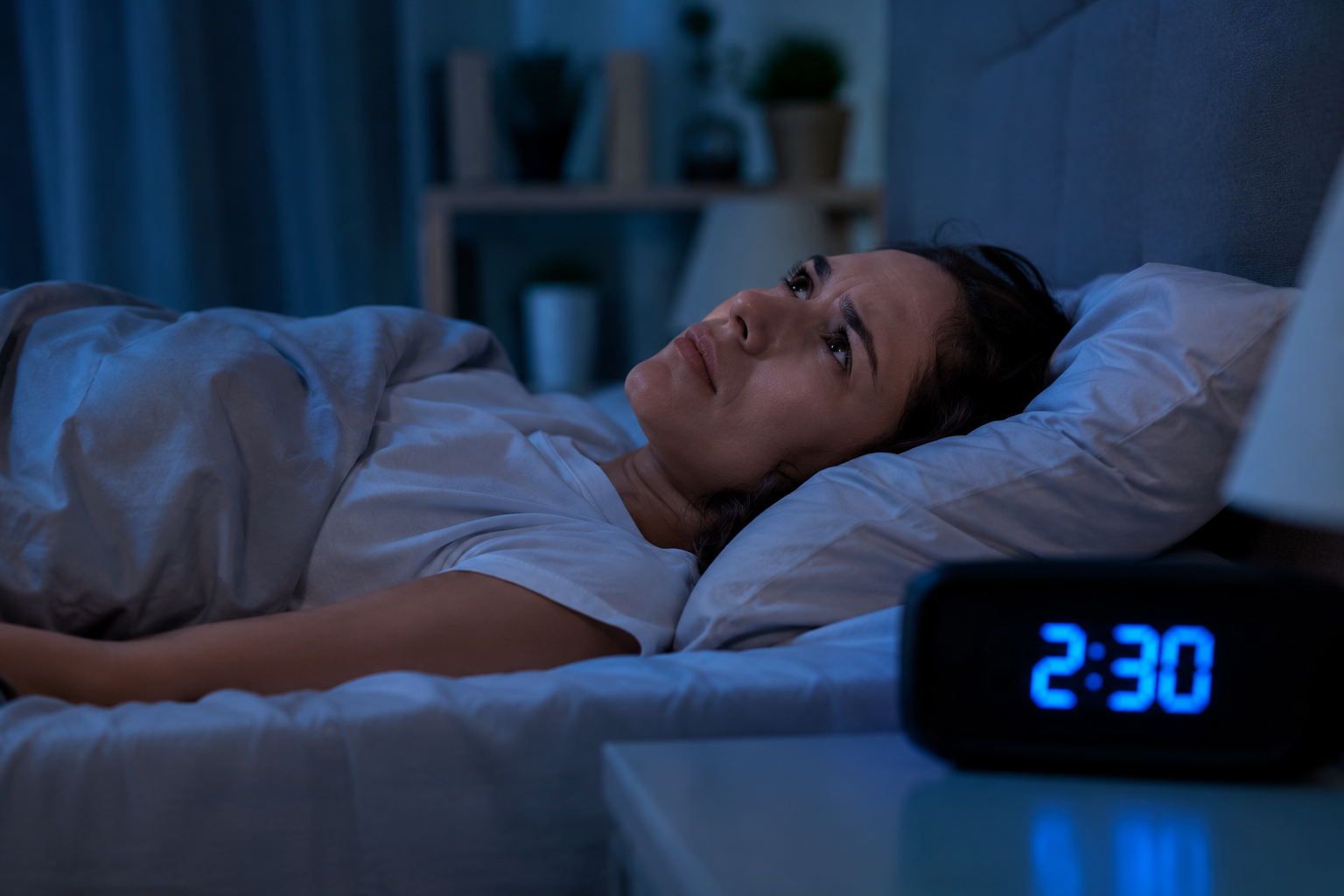
It’s 2:17 AM.
You’re lying in bed, staring at the ceiling. Your body feels exhausted after a long day, your eyes are heavy, and all you want is a good night’s sleep. Yet somehow, sleep refuses to come.
If this sounds familiar, you’re not alone.
Millions of people struggle with falling asleep despite feeling physically tired. It’s one of the most frustrating experiences imaginable. The harder you try to sleep, the more awake you seem to become.
I’ve personally experienced nights where I was completely drained after work but still found myself tossing and turning for hours. My mind would replay conversations, unfinished tasks, worries about tomorrow, and random thoughts that appeared out of nowhere.
The truth is that feeling tired doesn’t automatically mean your brain is ready to sleep.
Several physical, mental, and lifestyle factors can interfere with your body’s natural sleep cycle. Understanding these factors is often the first step toward improving your sleep quality.
In this guide, we’ll explore 11 common reasons why you can’t sleep at night even when you’re tired and discuss practical solutions that may help you enjoy more restful nights.
1. Stress and Anxiety Keep Your Brain Alert
One of the most common reasons people struggle to sleep is stress.
When you’re stressed, your body releases hormones such as cortisol and adrenaline. These hormones are designed to keep you alert and prepared for challenges.
Unfortunately, your brain doesn’t always know the difference between a genuine emergency and tomorrow’s work presentation.
Common signs include:
- Racing thoughts before bed
- Feeling restless
- Increased heart rate
- Difficulty relaxing
What You Can Do
Try creating a wind-down routine at least 30–60 minutes before bedtime. Reading a book, gentle stretching, meditation, or listening to calming music can help signal your brain that it’s time to rest.
2. Overthinking Before Bed
Have you ever noticed how your brain becomes most active the moment your head touches the pillow?
Overthinking can prevent sleep even when your body is exhausted.
You may find yourself analyzing past mistakes, planning future events, or imagining worst-case scenarios.
What You Can Do
Keep a notebook beside your bed. Write down thoughts, concerns, or tasks for the next day. This simple habit can help clear mental clutter and reduce bedtime anxiety.
3. Too Much Screen Time
Modern life revolves around screens.
Phones, tablets, laptops, and televisions emit blue light, which can interfere with your body’s natural production of melatonin—the hormone responsible for sleep.
Scrolling social media before bed may seem relaxing, but it often has the opposite effect.
What You Can Do
Avoid screens for at least one hour before bedtime whenever possible. Consider reading a physical book instead.
4. An Irregular Sleep Schedule
Your body thrives on consistency.
Going to bed at 10 PM one night and 1 AM the next can confuse your internal body clock.
Even weekend sleep-ins can disrupt your sleep pattern.
What You Can Do
Try going to bed and waking up at roughly the same time every day, including weekends.
5. Too Much Caffeine During the Day
Many people underestimate how long caffeine stays in the body.
Coffee, energy drinks, tea, and some soft drinks can continue affecting your system for several hours.
Even if you feel tired, caffeine may still be stimulating your brain.
What You Can Do
Consider limiting caffeine intake after lunch, especially if you’re sensitive to its effects.
6. Your Bedroom Environment Isn’t Sleep-Friendly
Your sleeping environment plays a larger role than most people realize. Factors that can interfere with sleep include:
- Excessive noise
- Bright lights
- Room temperature that’s too hot or cold
- Uncomfortable bedding
What You Can Do
Aim for a cool, dark, and quiet sleeping environment. Small changes can make a noticeable difference.
7. Lack of Physical Activity
Your body is designed to move.
If you spend most of your day sitting at a desk, working from home, or leading a largely inactive lifestyle, your body may not be physically tired enough to transition into deep, restorative sleep.
Regular movement helps regulate stress hormones, improves mood, and supports your natural sleep-wake cycle.
What You Can Do
Aim for at least 30 minutes of moderate physical activity most days of the week. A brisk walk, cycling, swimming, or even light stretching can make a significant difference. Just try to avoid intense workouts too close to bedtime, as they may leave you feeling energized instead of relaxed.
8. Eating Heavy Meals Late at Night
Late-night eating is another common reason people struggle to fall asleep.
Large meals, spicy foods, and high-fat foods can trigger indigestion, acid reflux, and general discomfort when you’re trying to rest.
Your digestive system continues working long after you’ve gone to bed, making it harder for your body to focus on sleep.
What You Can Do
Try to finish your last substantial meal at least two to three hours before bedtime. If you’re hungry later in the evening, choose a light snack instead.
9. Alcohol May Be Disrupting Your Sleep
Many people believe alcohol helps them sleep better because it can make them feel drowsy.
However, while alcohol may help you fall asleep faster initially, it often disrupts sleep quality later in the night.
This can lead to frequent awakenings, lighter sleep stages, and waking up feeling tired despite spending enough time in bed.
What You Can Do
If you notice poor sleep after drinking alcohol, consider reducing your intake, especially during the evening hours.
10. Underlying Health Conditions
Sometimes sleep difficulties may be connected to underlying health issues.
Conditions such as sleep apnea, restless leg syndrome, chronic pain, hormonal imbalances, and other medical concerns can interfere with normal sleep patterns.
If you’ve consistently struggled with sleep for an extended period despite improving your habits, it may be worth discussing your symptoms with a healthcare professional.
What You Can Do
Keep track of your sleep patterns and any related symptoms. This information can help healthcare providers identify potential causes and recommend appropriate next steps.
11. Age-Related Changes in Sleep Patterns
As we age, our sleep patterns naturally change.
Many adults find they wake up more frequently during the night, fall asleep earlier, or experience lighter sleep compared to their younger years.
While some changes are normal, persistent sleep problems shouldn’t simply be accepted as an unavoidable part of aging.
What You Can Do
Maintain a consistent sleep schedule, stay physically active, and focus on healthy sleep habits that support long-term sleep quality.
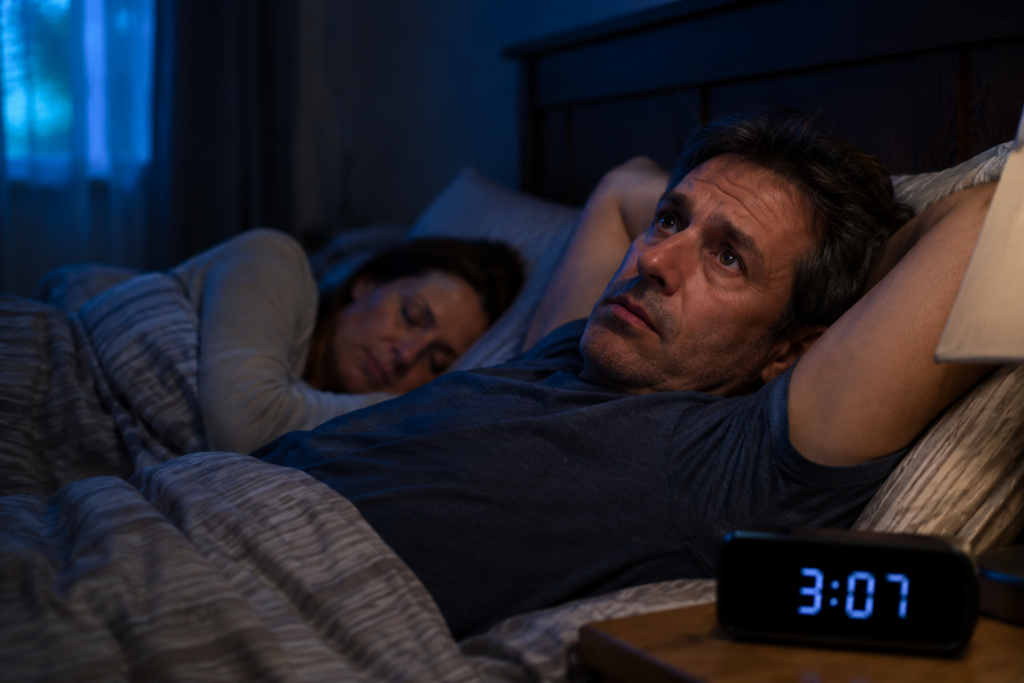
Practical Solutions That May Help You Sleep Better
If you’ve been asking yourself, “Why can’t I sleep at night even when I’m tired?” the good news is that small lifestyle adjustments can often make a meaningful difference.
Consider implementing these habits:
- Establish a consistent bedtime routine.
- Reduce screen exposure before bed.
- Limit caffeine later in the day.
- Create a dark, quiet sleeping environment.
- Exercise regularly.
- Manage daily stress through relaxation techniques.
- Avoid heavy meals close to bedtime.
- Prioritize a healthy work-life balance.
Remember, improving sleep is usually not about one dramatic change. It’s often the result of several small habits working together over time.
Exploring Natural Sleep Support Options
While healthy sleep habits should always be the foundation of better sleep, some individuals also explore natural sleep-support products as part of their overall nighttime routine.
The goal isn’t to replace healthy habits but to complement them.
For people who struggle with occasional sleeplessness, stress-related restlessness, or difficulty relaxing before bed, natural sleep-support solutions may provide additional support alongside proper sleep hygiene.
One option that has gained attention among adults looking for natural sleep support is YUSLEEP. Many users appreciate products that are designed to promote relaxation and help support healthy sleep patterns as part of a consistent bedtime routine.
As with any wellness product, individual experiences may vary, and it’s important to evaluate ingredients, follow directions carefully, and consult a healthcare professional if you have specific concerns.
For more health related please explore